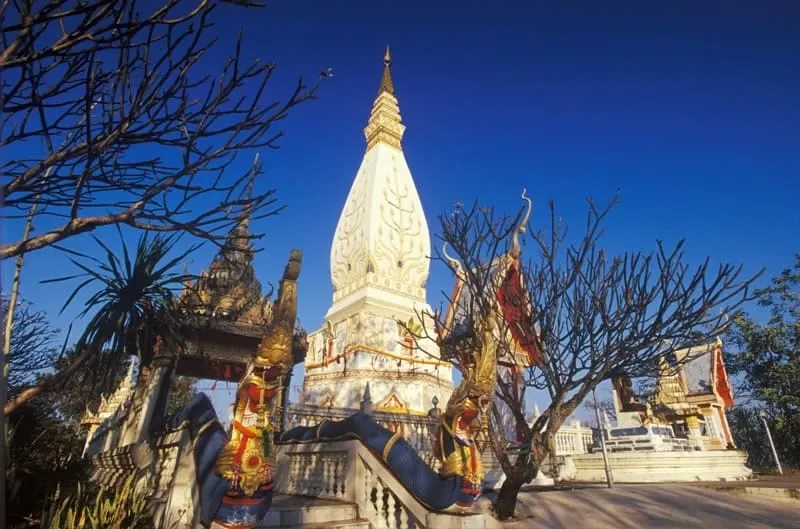


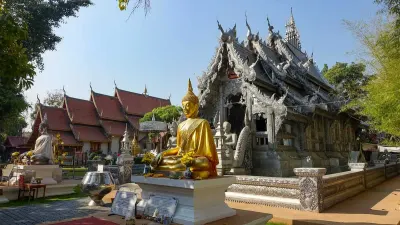








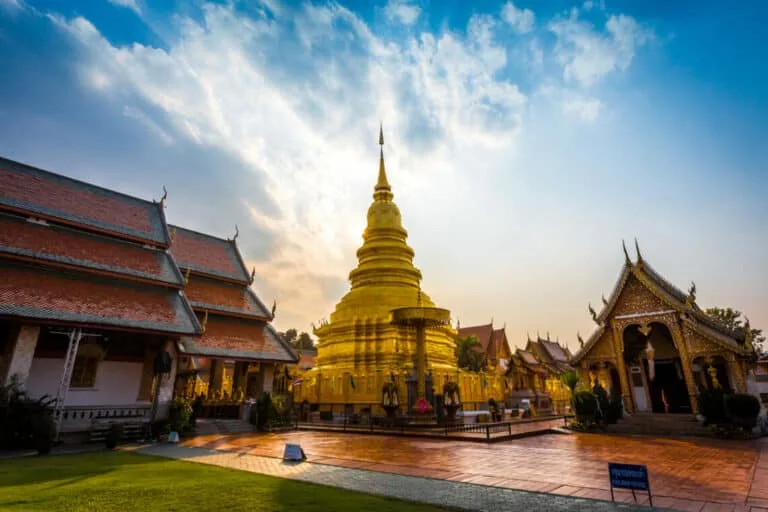

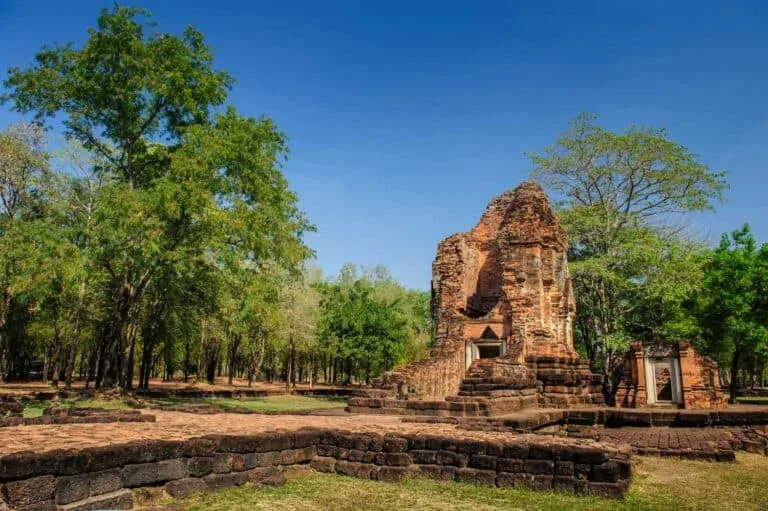
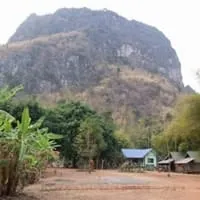
Ancient stone foundations and weathered Buddha statues emerge from the northeastern Thai landscape at Phu Pha Ya, revealing layers of history that span centuries of religious devotion. This archaeological site preserves remnants of what was once a significant Buddhist monastery complex, where monks lived and worshipped in structures built from local sandstone. The ruins demonstrate sophisticated construction techniques and artistic sensibilities that flourished in this region long before modern development reached Ubon Ratchathani province.
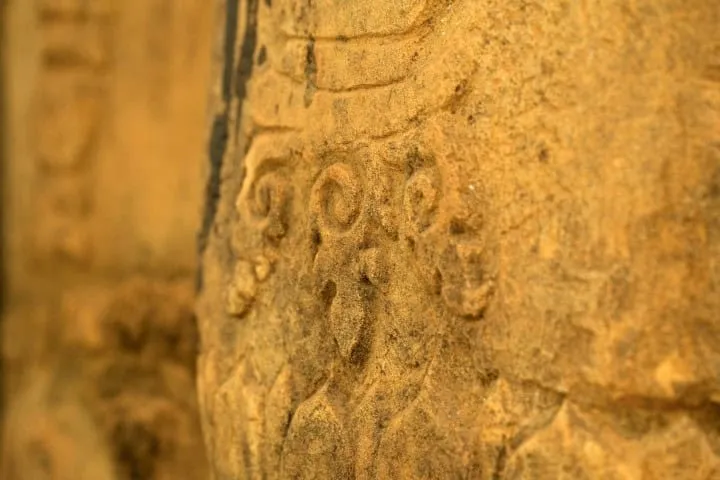
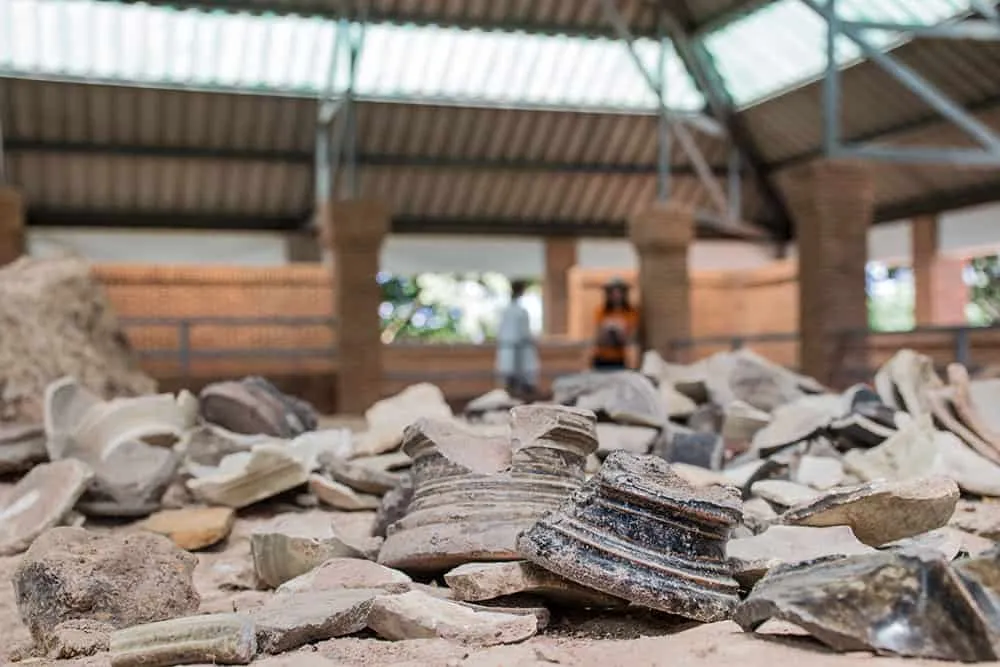
Scattered across the site, you’ll discover the remains of ancient chedis, ordination halls, and living quarters that once housed a thriving monastic community. Carved stone lintels display intricate Buddhist motifs, while fragments of pottery and religious artifacts provide glimpses into daily life centuries ago. The sound of wind rustling through surrounding trees creates a natural soundtrack as you explore partially collapsed walls and meditation platforms. Stone Buddha images, some still intact despite weathering, maintain their serene expressions among the ruins. Walking paths connect different sections of the complex, allowing you to piece together the original layout and imagine the lively religious center this once was.
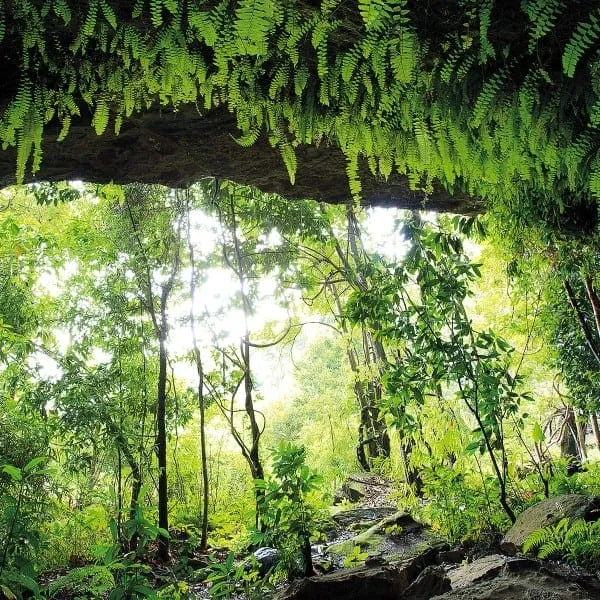
Tranquility defines the experience at Phu Pha Ya, where few crowds disturb your exploration of these ancient remains. The site feels authentically preserved rather than overly developed, maintaining an atmosphere of quiet reverence that connects visitors to its spiritual past. Morning light filtering through the canopy creates dramatic shadows across the stonework, while the rural setting reinforces a sense of stepping back in time. This peaceful environment encourages contemplation and provides space to appreciate the craftsmanship without distractions.
Early morning visits offer the best lighting for photography and cooler temperatures for comfortable exploration. The site is accessible by local transport from Ubon Ratchathani city, though having your own vehicle provides more flexibility for the journey to Ban Na Charoen village. Bring water and wear comfortable walking shoes for navigating uneven terrain around the ruins. Since entry is free, this archaeological site offers excellent value for history enthusiasts and anyone interested in Thailand’s Buddhist heritage beyond the typical temple circuit.