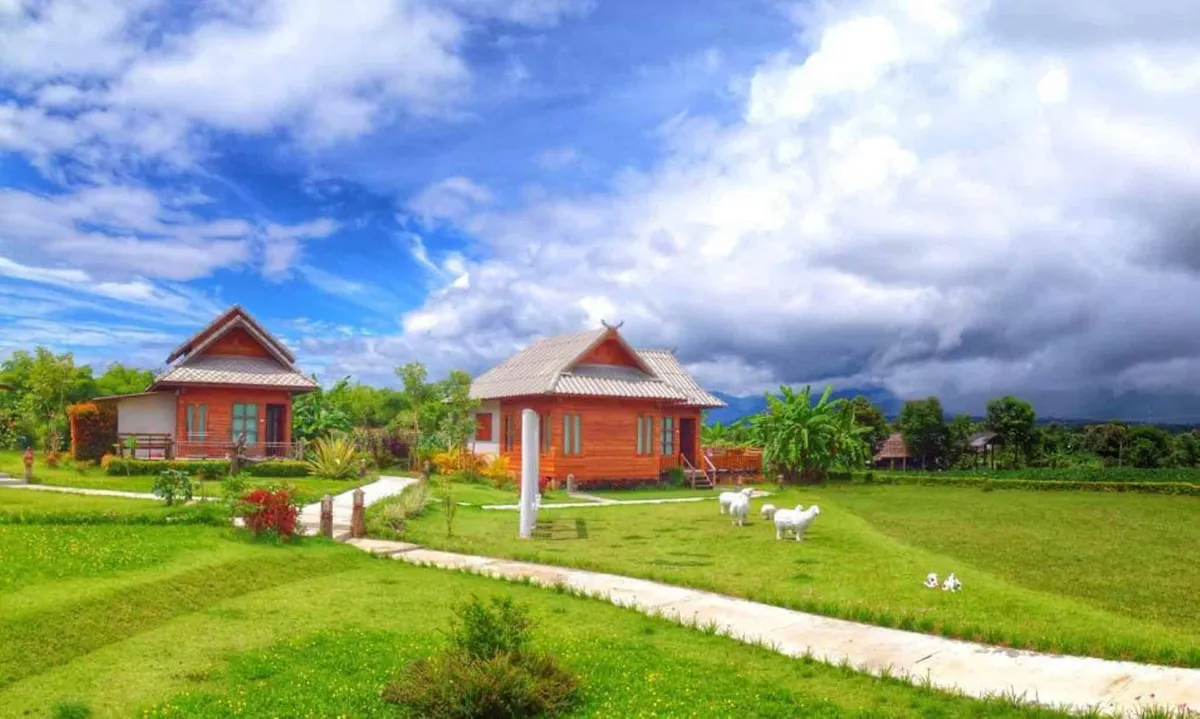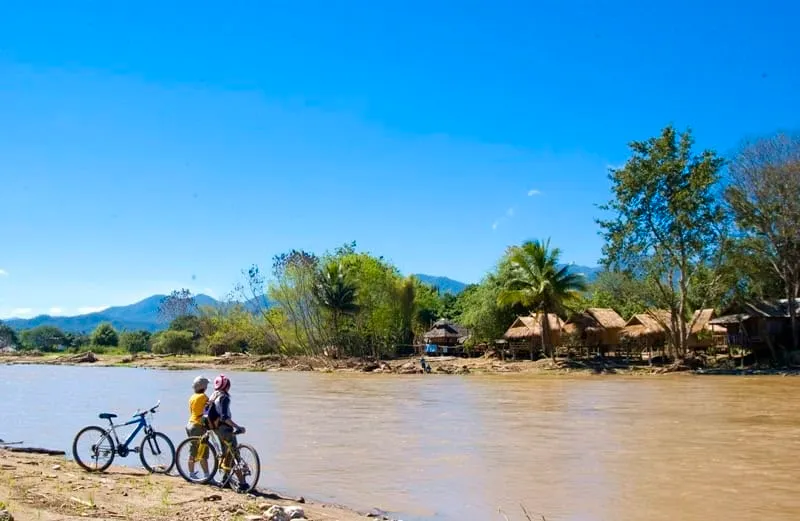













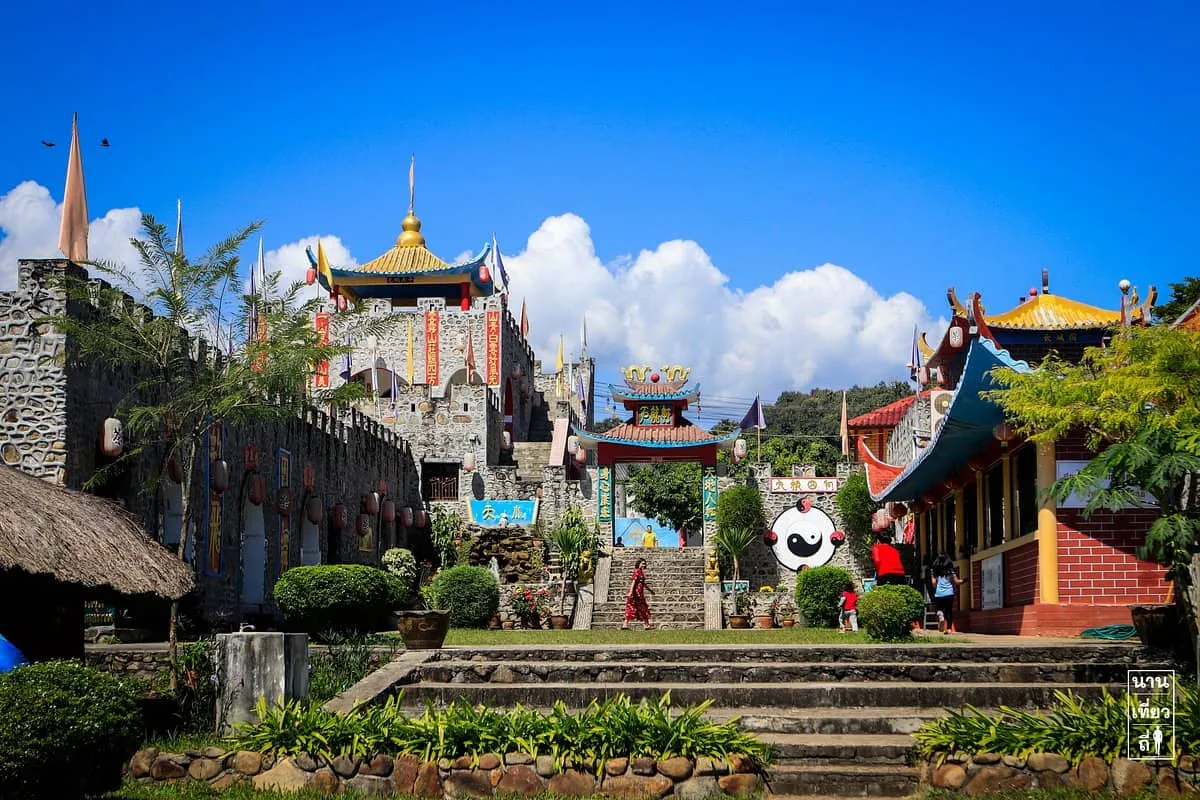
Santichon Village sits among the mountains flanking the Pai River, serving as a living window into Yunnanese Chinese culture. Also known as Chinese Yunnan Cultural Village, it is a rewarding stop for travelers to Pai, Thailand. A settlement of Yunnanese tribesmen, this quaint village offers a glimpse into the rich cultural heritage of the region.
Upon arrival, visitors will be greeted with traditional Chinese clay houses, providing a glimpse into the way of life of the Yunnanese people. And for those looking to indulge in the local delicacies, Baan Santichon village offers a chance to taste the delectable green tea and pork hocks with buns, surrounded by the majestic mountains of Pai.
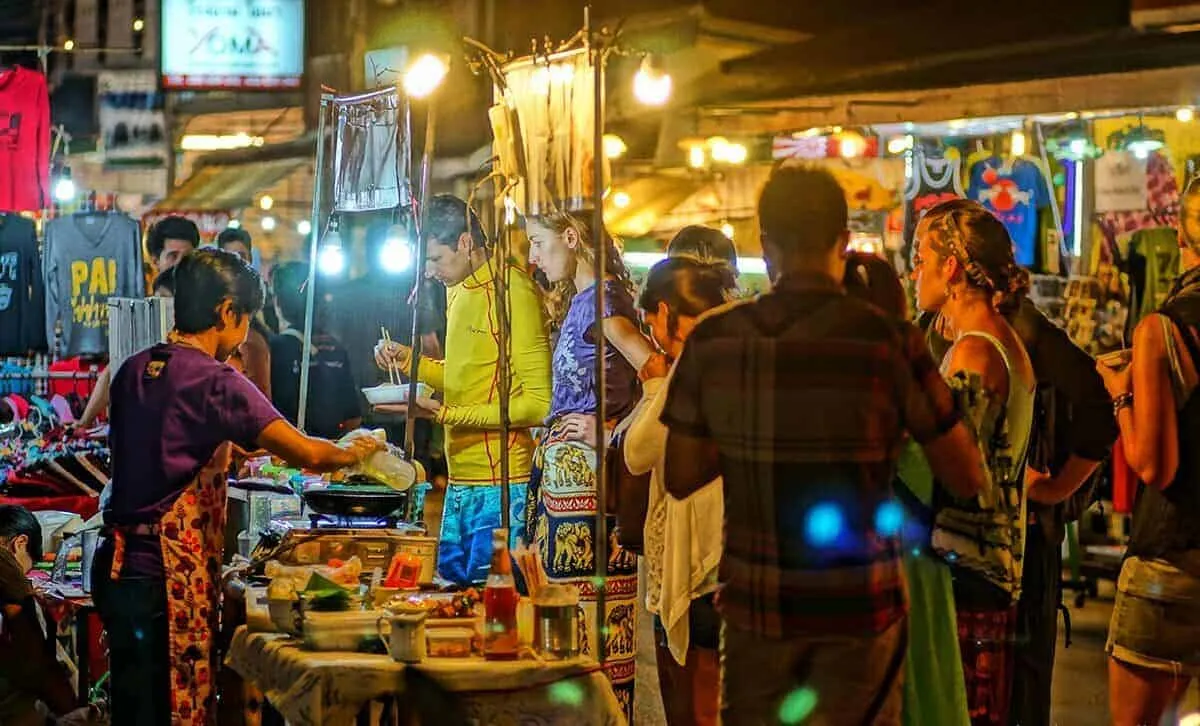
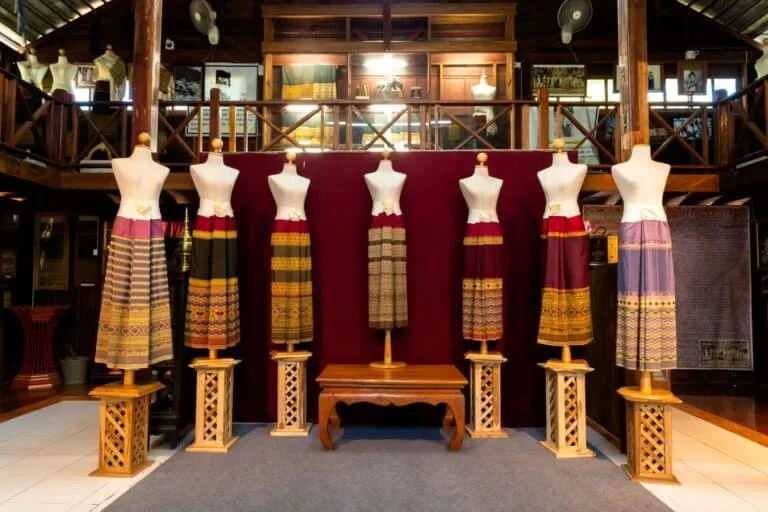
The village is also home to a plethora of shops, selling everything from authentic Yunnanese food to traditional Chinese tea and Yunnanese dress. Visitors can even have their picture taken in traditional attire for an additional fee. The village also offers activities such as pony, horse or donkey riding, shooting games and even a big wooden ferris wheel.
A highlight of the village is the Yun Lai Viewpoint, located on the west side of Pai. The viewpoint offers an almost uninterrupted 360-degree view of the surrounding landscape and is an ideal spot to catch a sunrise or sunset. The viewpoint can be reached by following the red “viewpoint” signs for about 5km and an entry fee of 20 Baht.
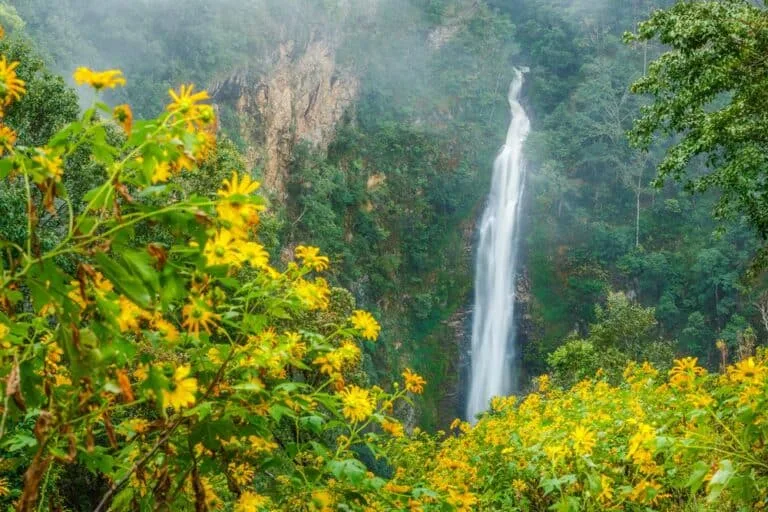
On the way back, visitors can also visit Mo Pang Waterfall, which is a sight to behold, with water that has polished the stones to create natural water slides. Santichon Village is a unique blend of traditional Chinese culture and the natural beauty of the Pai region, making it an memorable experience for visitors.
Getting There
Santichon Village is located at Wiang Tai, Pai District, Mae Hong Son 58130. View on Google Maps.
Tips for Visitors
-
Some villages charge a small entry or conservation fee.
-
Always ask permission before photographing people.
-
Buy handicrafts directly from the artisans to support the community.
-
A local guide helps bridge the language and cultural gap.