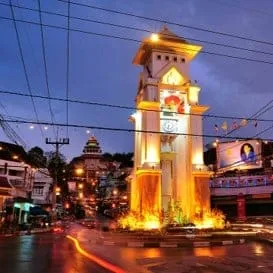


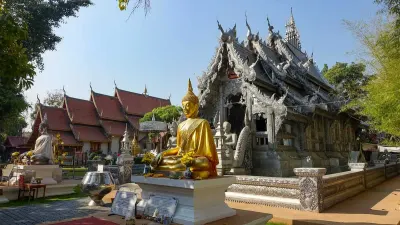


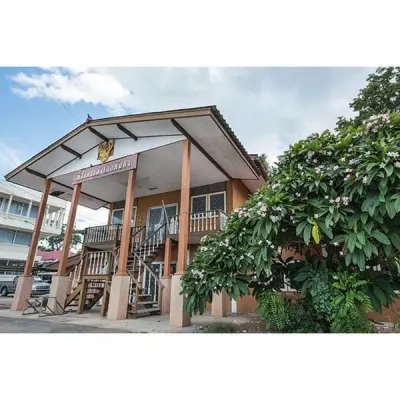






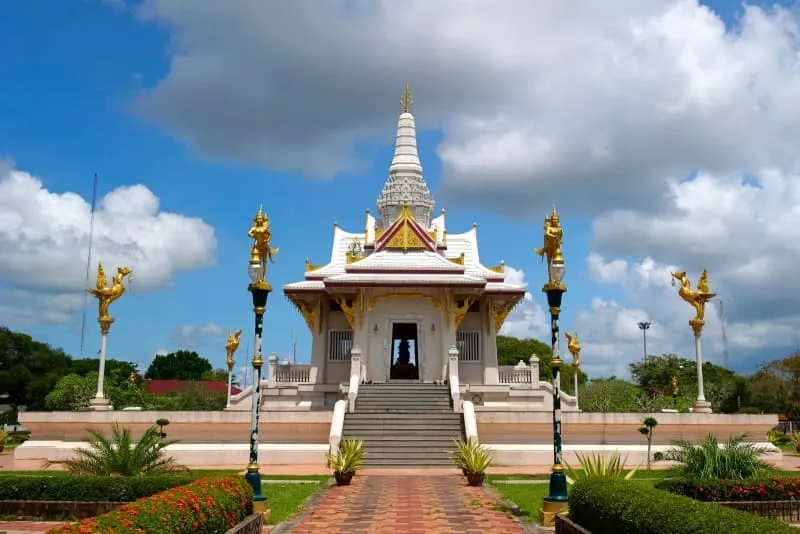
Standing as a spiritual cornerstone in Thailand’s southernmost province, the Yala City Pillar Shrine represents the sacred foundation upon which this diverse city was built. City pillar shrines hold deep significance in Thai culture, believed to house the guardian spirit that protects the municipality and its residents. This particular shrine serves as both a religious center and a symbol of cultural unity in a region known for its rich blend of Thai Buddhist and Malay Muslim communities.
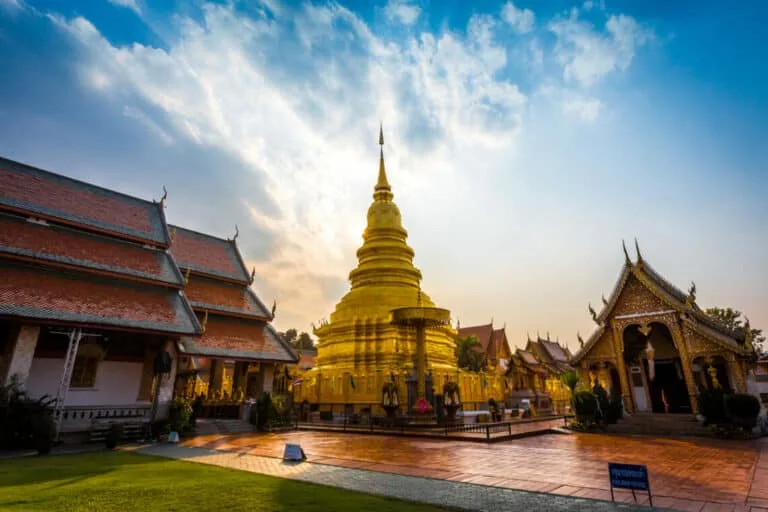
The shrine houses an ornate pillar wrapped in colorful silk scarves and adorned with fresh flower garlands that fill the air with jasmine and marigold fragrances. Visitors can observe local devotees making offerings of incense, candles, and traditional Thai sweets while quietly reciting prayers for prosperity and protection. The architecture reflects classic Thai design elements with intricate wooden carvings and golden decorative details that catch the light throughout the day. Traditional music and chanting often drift from the shrine during special ceremonies, creating a soundtrack of devotion that connects visitors to centuries-old spiritual practices.
A sense of reverence permeates the shrine grounds, where the gentle rustle of prayer flags mingles with the soft conversations of worshippers. The atmosphere remains consistently peaceful, offering a moment of reflection amid the lively energy of Yala city center. Regular visitors include families seeking blessings, business owners requesting good fortune, and elderly residents maintaining lifelong spiritual traditions that bind the community together.
Early morning visits between 8:00-10:00 AM provide the most authentic experience when local devotees perform their daily rituals. The shrine sits within walking distance of Yala’s main commercial district, making it easily accessible by foot, motorbike taxi, or car. Dress modestly with covered shoulders and long pants out of respect for the sacred space. While brief, a visit here offers valuable insight into southern Thai spiritual life and the cultural threads that weave this unique border region together.