






















Best Thai Cooking Classes: Bangkok, Chiang Mai, Phuket & the Islands
Published 13 April 2026
You can eat pad thai at home from a jar. What you can’t replicate is a Thai grandmother showing you how to pound a curry paste from scratch, or the moment you realise green curry is actually easy once someone walks you through it. A cooking class is one of the few tourist activities in Thailand that gives you something genuinely useful to take home.
Most classes run half a day. You’ll learn 3-5 dishes, visit a market (if it’s a morning session), and leave with printed recipes. The food you cook is your lunch or dinner. It’s good value, it’s fun even if you’re not much of a cook, and it beats another temple visit if you’re running out of energy for sightseeing.
This guide covers the schools worth booking in Bangkok, Chiang Mai, Phuket, and the islands — plus honest notes on which ones are overrated.
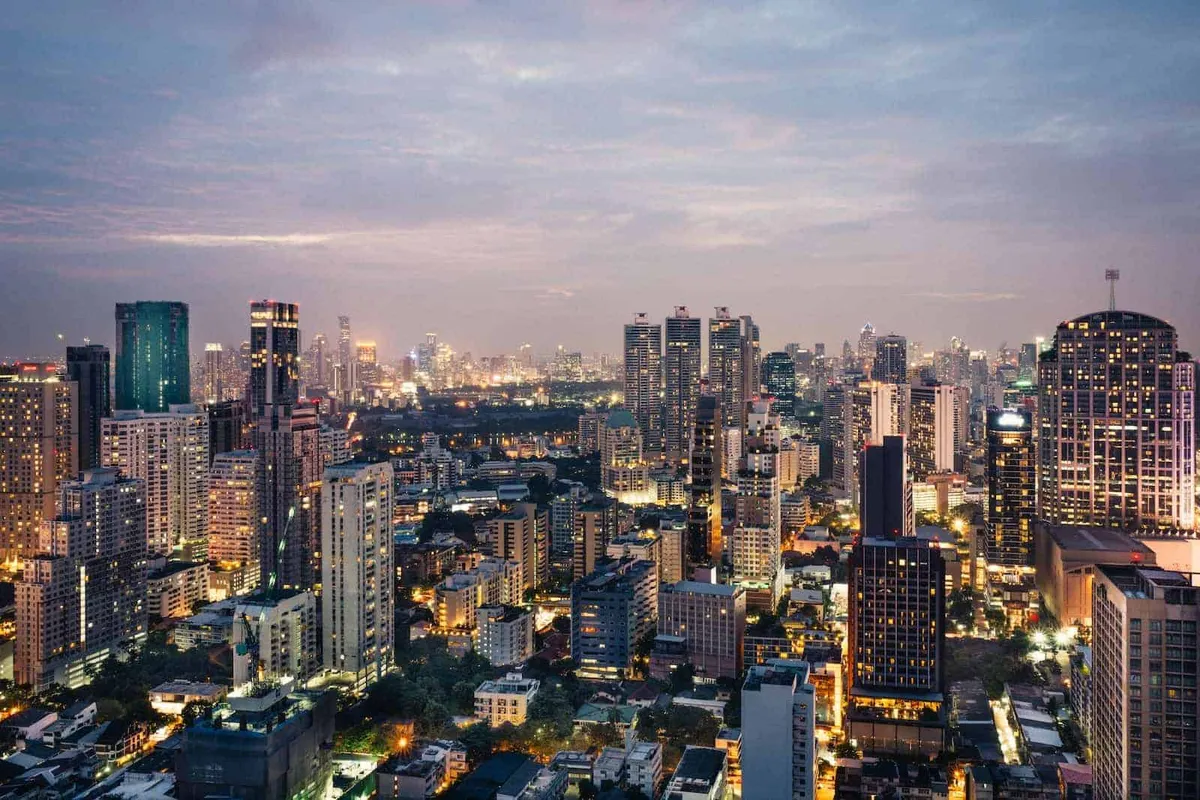
Bangkok Cooking Classes
Bangkok has plenty of cooking schools, but the quality varies. Some are genuine teaching kitchens; others are conveyor belts running three groups a day through the same script. Here are the ones that actually deliver.
Silom Thai Cooking School
The most-recommended school in Bangkok for good reason. Morning and afternoon sessions start with a guided walk through a fresh market near Silom, where the instructor explains ingredients — galangal vs ginger, the different basil varieties, how to pick a good coconut. Back at the school, you cook 4 dishes from a rotating menu at your own station. Classes cap at about 14 people.
Cost: Around 1,500 THB per person. Duration: 4-5 hours including market visit. Book: Direct via their website or through your hotel.
Maliwan Thai Cooking Class
Smaller operation, maximum 8-10 students per class. More hands-on time than the bigger schools — you’re doing everything yourself rather than watching a demo and replicating it. The instructor adjusts spice levels to your preference as you go. Good for people who actually want to improve their cooking rather than just tick a box.
Cost: Around 1,500 THB. Duration: About 4 hours.
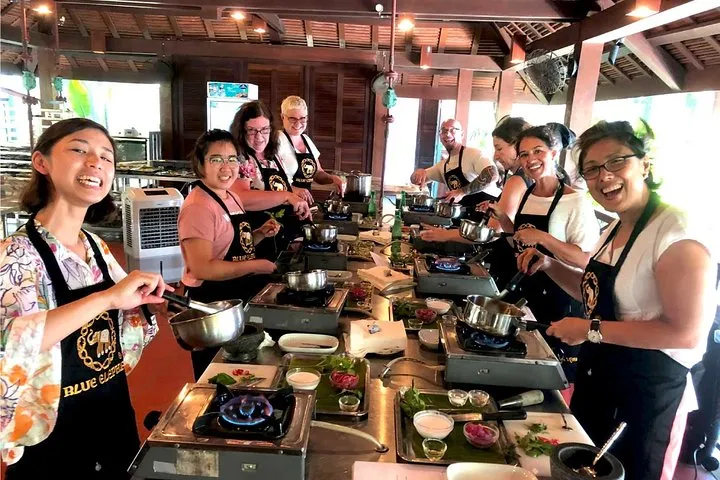
Blue Elephant Cooking School
This is the upscale option — set in a colonial-era building on Sathorn Road, attached to the Blue Elephant restaurant. The kitchen is well-equipped, the ingredients are premium, and the recipes lean more refined than street-food. You’ll cook dishes like massaman curry and pomelo salad. It feels more like a culinary workshop than a backpacker activity.
The downside: it’s significantly more expensive and the atmosphere is more polished than personal. If you want the raw, market-stall-to-kitchen experience, this isn’t it.
Cost: Around 3,000-3,500 THB. Duration: Half day. Includes: Market visit with the premium package.
Baipai Thai Cooking School
Located outside central Bangkok in a residential neighbourhood with a garden setting. The journey there (about 30 minutes by taxi from Sukhumvit) filters out the crowds, so classes are quieter. Good instruction, nice facilities, and a more relaxed pace than the downtown schools.
Cost: Around 2,000 THB. Duration: Half day.
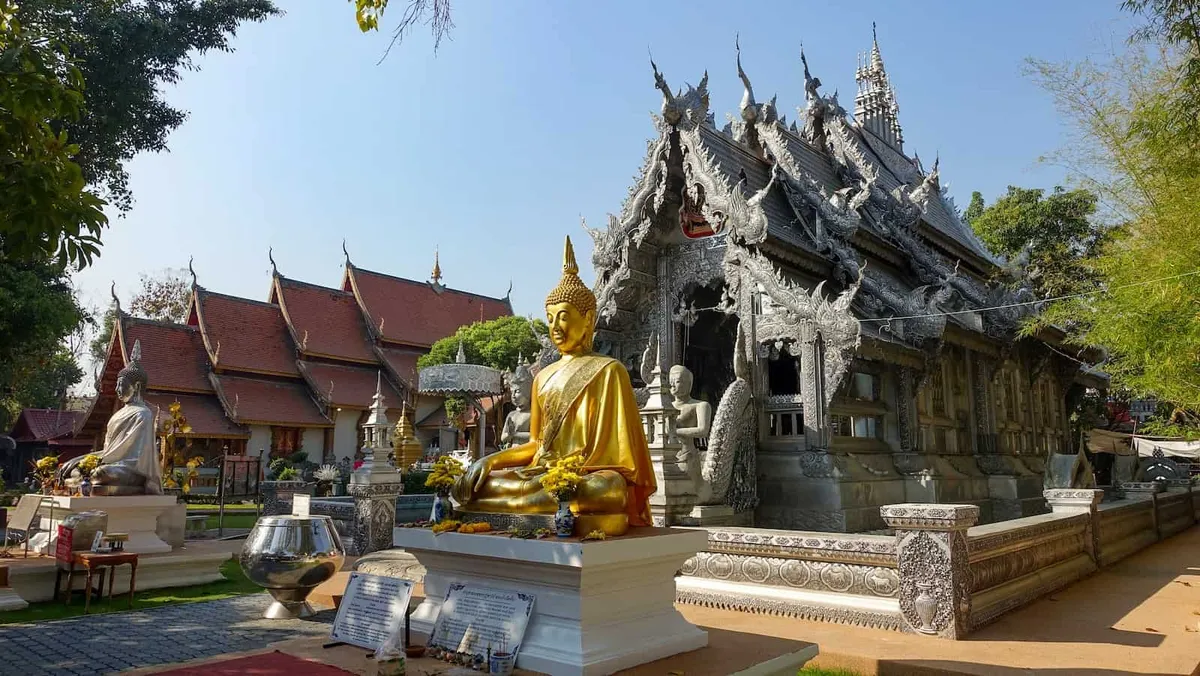
Chiang Mai — Thailand’s Cooking Class Capital
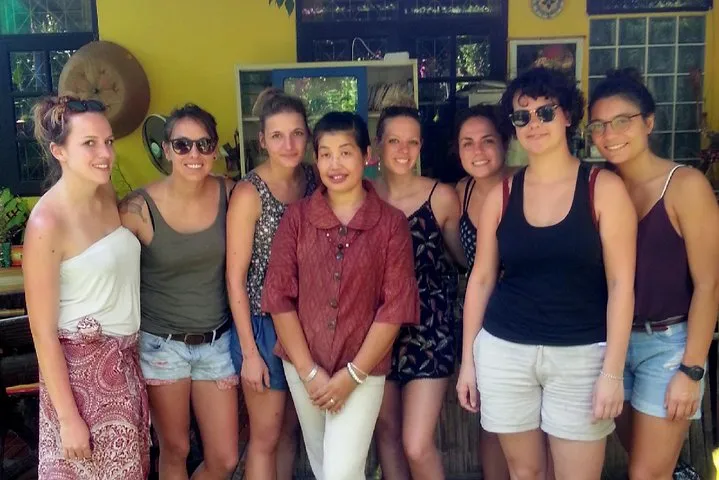
Chiang Mai has more cooking schools per square kilometre than anywhere else in the country. The combination of cheaper prices, cooler weather (you’re not cooking over a wok in 38°C heat), and the organic farm options make it the top choice if cooking is a priority for your trip.
Thai Farm Cooking School
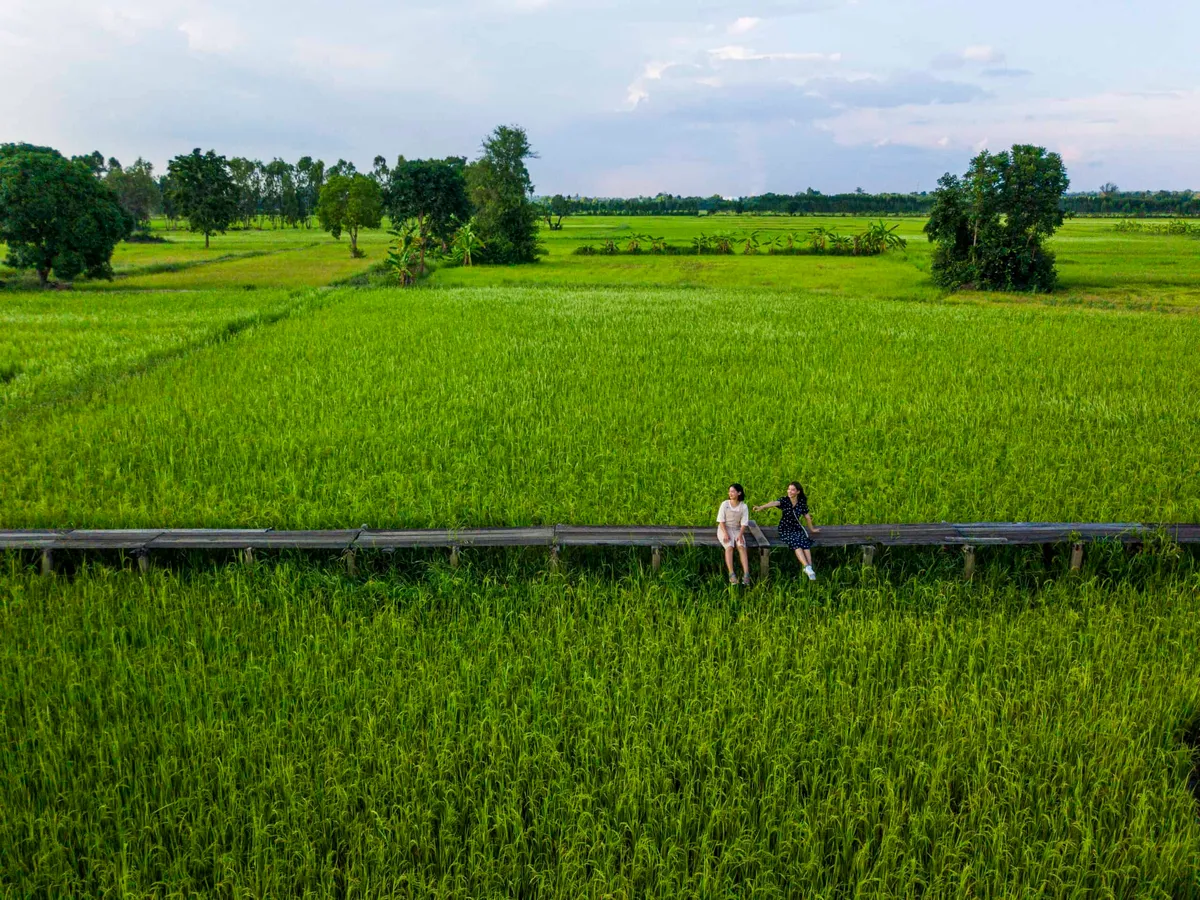
A full-day class on an organic farm about 30 minutes outside the city. You start at a market in town, then drive to the farm where ingredients are growing right there — you’ll pick herbs and vegetables yourself. The setting is open-air under a thatched roof surrounded by rice paddies. You cook 5-6 dishes plus a dessert.
This is the one most people rave about, and it lives up to it. The farm context means you understand where ingredients come from, not just how to cook them.
Cost: Around 1,200 THB for the full day (excellent value). Duration: 8-9 hours including transport. Book: Their website — book at least 2-3 days ahead in high season.
Mama Noi Thai Cookery School
Small-group classes (6-8 people) at the instructor’s actual home. The teaching is personal — Mama Noi or her family members run it — and the vibe is closer to learning from a relative than attending a school. The menu changes and you get more flexibility to request specific dishes.
Cost: Around 1,000-1,200 THB. Duration: Half day.
Why Chiang Mai Dominates
- Price: Classes run 1,000-1,500 THB vs 1,500-3,500 THB in Bangkok
- Farm settings: Multiple schools operate on working farms — a format that doesn’t exist in Bangkok
- Weather: Northern Thailand is cooler, especially November-February, making outdoor cooking comfortable
- Variety: Over 30 schools means genuine competition, which keeps quality up
- Full-day options: Many Chiang Mai schools run 7-9 hour full-day classes that cover more dishes at barely higher prices than a Bangkok half-day
Booking Tips for Chiang Mai
Platforms like Cookly aggregate multiple schools and let you compare schedules and reviews. Booking direct is usually the same price or cheaper. Avoid schools that run more than 2 sessions per day — that’s a volume operation and the instruction suffers.
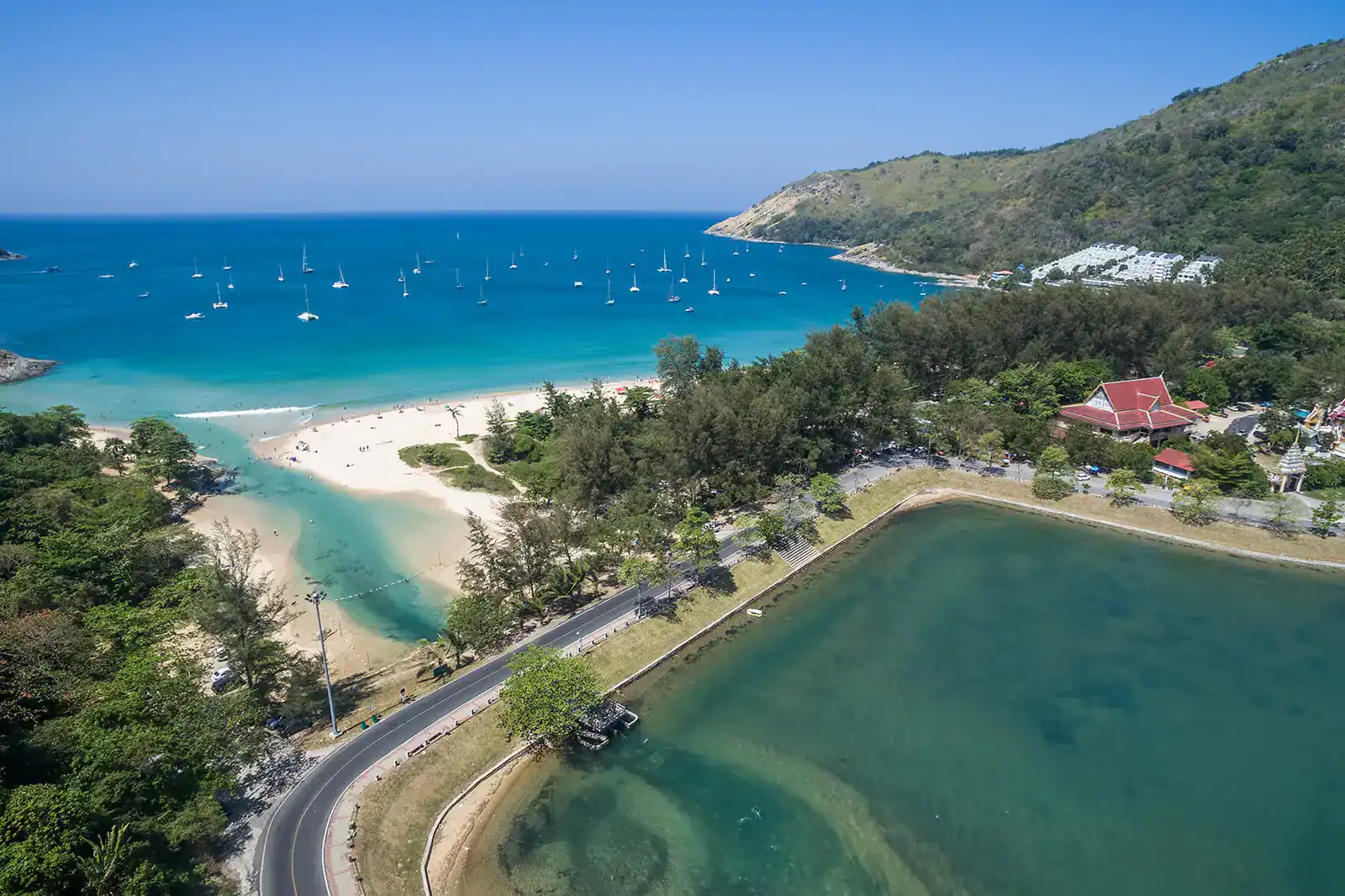
Phuket Cooking Classes
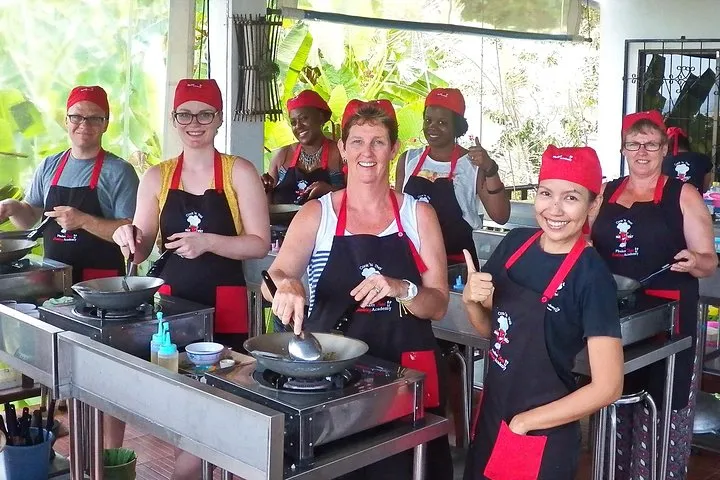
Phuket cooking classes tend to lean into southern Thai cuisine, which is distinct from what you’ll learn in Bangkok or Chiang Mai. Southern curries are spicier, use more turmeric, and rely heavily on seafood. If you’ve only cooked central Thai food before, a Phuket class adds real variety to your recipe collection.
Phuket Thai Cooking Academy
Solid school with a market visit included in morning classes. The instructor covers southern specialties like gaeng som (sour curry) and stir-fried sataw beans alongside the standard pad thai and green curry. Individual cooking stations, classes of about 10-12 people.
Cost: Around 1,500-1,800 THB. Duration: Half day.
Blue Elephant Phuket
The Phuket branch of Blue Elephant operates from a Sino-Portuguese mansion in Old Town. Similar premium format to the Bangkok school — well-produced, clean kitchen, refined recipes. Good if you’re staying in Phuket Town, but the same caveat applies: it’s pricier and less personal than smaller schools.
Cost: Around 2,800-3,200 THB. Duration: Half day.
Southern vs Central Thai Cooking
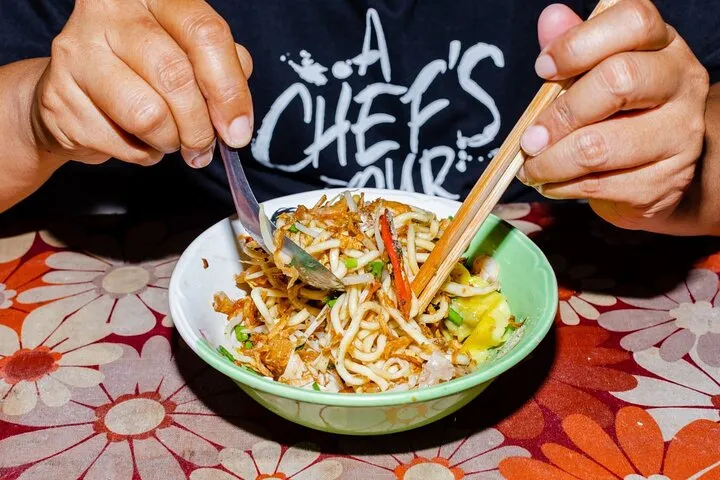
Most cooking classes in Thailand teach central Thai dishes — green curry, pad thai, tom yum. In Phuket, look specifically for classes that include southern specialties:
- Gaeng som — sour curry with fish, sharper than tom yum
- Massaman curry — technically southern, richer and nuttier than green curry
- Khua kling — dry-fried curry mince, seriously spicy
- Sataw (stink beans) — a southern staple, polarising but worth trying
Island Cooking Classes
Koh Samui
Koh Samui has a handful of proper cooking schools plus smaller operations run out of guesthouses and resorts. The vibe is more relaxed — you’ll cook in an open-air kitchen with a sea breeze, and class sizes are often under 8 people. Sitca Cooking School and Samui Institute of Thai Culinary Arts (SITCA) are the established names.
Cost: 1,500-2,000 THB. Some resort classes charge more but aren’t necessarily better.
Koh Phangan & Koh Lanta
On smaller islands, cooking classes are typically informal — a local cook, a handful of students, whatever’s fresh at the market that day. Less polished, more spontaneous. You might learn dishes that aren’t on any restaurant menu. These are often booked through your accommodation or found on a handwritten sign by the road.
Cost: 800-1,500 THB. Duration: 2-4 hours.
The trade-off: island classes rarely include market visits (markets are smaller and further away), and instruction quality varies widely. Ask other travellers at your hostel or guesthouse for recent recommendations rather than relying on old reviews.
Price Comparison
| Location | Typical Cost (THB) | Duration | Market Visit | Class Size |
|---|---|---|---|---|
| Chiang Mai (farm) | 1,000-1,500 | Full day | Yes | 8-14 |
| Chiang Mai (city) | 1,000-1,300 | Half day | Usually | 8-12 |
| Bangkok (mid-range) | 1,500-2,000 | Half day | Morning only | 10-14 |
| Bangkok (upscale) | 2,800-3,500 | Half day | Some | 8-12 |
| Phuket | 1,500-2,500 | Half day | Morning only | 10-12 |
| Koh Samui | 1,500-2,000 | Half day | Rarely | 6-10 |
| Smaller islands | 800-1,500 | 2-4 hours | No | 4-8 |
How to Choose the Right Class
- Morning classes include market tours — worth it for the education alone
- Private classes cost roughly double but let you choose exactly what to cook
- Most schools handle vegetarian/vegan requests without fuss
- Half-day classes teach 3-5 dishes; full-day classes teach 5-7 plus dessert
- Book direct for the best price; aggregator platforms charge the same or add a small markup
Budget: Under 1,500 THB → Chiang Mai. Under 2,000 THB → Bangkok mid-range or Phuket. Over 2,500 THB → Blue Elephant or private classes.
Group size: If you want personal attention, look for schools capping at 8-10 people. Anything over 14 starts to feel like a production line.
Market visit: Always choose the option with a market tour if one is available. You learn more about Thai ingredients in 45 minutes at a market than in hours of reading recipes.
Dietary needs: Vegan and vegetarian options are standard at most schools now. Gluten-free is easy since Thai cooking relies on rice, not wheat. Mention allergies when booking — shellfish and peanuts are in everything.
Cuisine type: Want classic central Thai? Bangkok or Chiang Mai. Want southern Thai? Phuket. Want a relaxed island experience? Koh Samui or Koh Lanta.
What You’ll Actually Cook
A typical class lets you pick one dish from each category:
- Curry: Green, red, massaman, or panang — you’ll pound the paste by hand in a mortar and pestle
- Soup: Tom yum or tom kha
- Stir-fry: Pad thai, pad kra pao (holy basil stir-fry), or cashew chicken
- Salad: Som tam (papaya salad) or larb
- Dessert: Mango sticky rice or coconut milk desserts (seasonal)
The curry paste is the highlight. It takes 15-20 minutes of pounding, your arm will ache, and the difference between fresh paste and the stuff in a tin is massive. This alone justifies the class.
Dishes worth requesting if you get a choice: pad kra pao (the most-eaten dish in Thailand, rarely taught well outside the country), tom kha gai (coconut soup — subtler than tom yum and harder to replicate at home), and som tam (once you learn the technique, you’ll make it weekly).
For more on what to eat across the country, see our guide to popular Thai dishes.
Practical Booking Tips
When to book: 2-3 days ahead in high season (November-February), especially Chiang Mai. Low season you can often book the day before.
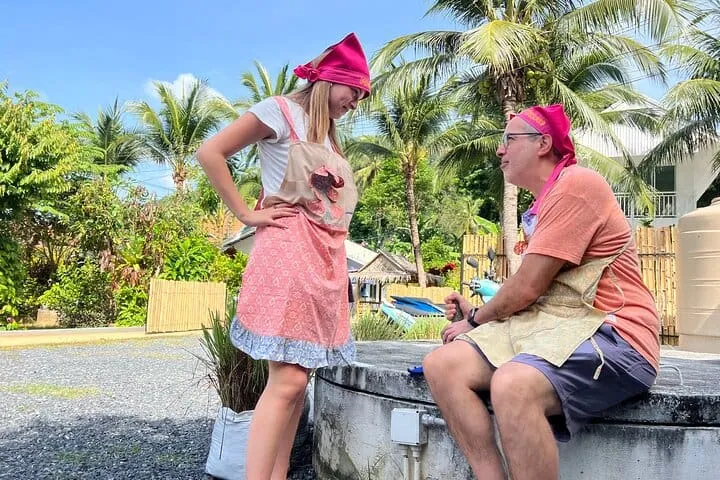
What to wear: Closed-toe shoes (some schools require it), comfortable clothes you don’t mind getting splashed with curry paste. Schools provide aprons.
What’s included: All ingredients, recipes to take home, the meal you cook, water and sometimes a welcome drink. Some include transport.
How to get there: Bangkok schools are near BTS stations. Chiang Mai farm schools provide hotel pickup. Phuket schools are usually in Phuket Town. Factor in travel time — a farm class 30 minutes outside the city needs transport both ways.
Children: Most schools accept kids aged 6+ and some offer family-specific sessions. Check when booking.
If you’re planning your route between cities, our getting around Thailand guide covers the transport options.
Frequently Asked Questions
How much does a Thai cooking class cost?
Prices range from about 1,000 THB for a basic group class in Chiang Mai to 3,500 THB for an upscale school in Bangkok. Most half-day classes with a market tour fall between 1,200 and 1,800 THB per person. Private classes cost roughly double.
Do I need to book a cooking class in advance?
During high season (November to February) popular schools fill up days ahead, especially in Chiang Mai. Booking 2-3 days in advance is a good idea. In low season you can often walk in or book the day before.
Can I do a vegetarian or vegan cooking class in Thailand?
Yes. Most schools offer vegetarian and vegan options — just mention it when booking. Some schools like Thai Farm Cooking School in Chiang Mai grow their own vegetables and handle plant-based menus particularly well.
How many dishes do you learn in a typical class?
Most half-day classes cover 3-5 dishes. Full-day classes may include 5-7 dishes plus a dessert. You usually choose from a set menu, picking one dish per category (curry, stir-fry, soup, salad, dessert).
Is a morning or afternoon cooking class better?
Morning classes almost always include a market visit, which is worth it — you learn to identify ingredients and the markets are more active early in the day. Afternoon and evening classes tend to skip the market and focus purely on cooking.
What's the best city for a cooking class in Thailand?
Chiang Mai has the widest selection and lowest prices, with organic farm settings you won't find elsewhere. Bangkok is convenient if you're short on time. Phuket is good for learning southern Thai dishes specifically.